20 October 20265 minute read
Your next sale may depend on one unanswered question
A buyer can like the item, accept the price and still hesitate over one question: “Is there any evidence of where and when it was purchased?”
For someone considering a pre-owned luxury purchase, an accurate description and clear photographs may not resolve that concern. The listing might explain condition, age and accessories without saying whether proof of purchase is available or how the seller acquired the item.
Some buyers will ask. Others will move on to another listing.
The business has already done the work of attracting an interested customer. An unanswered question can turn that opportunity into another message, a support enquiry or a lost sale.
The description answers everything except the buyer’s question
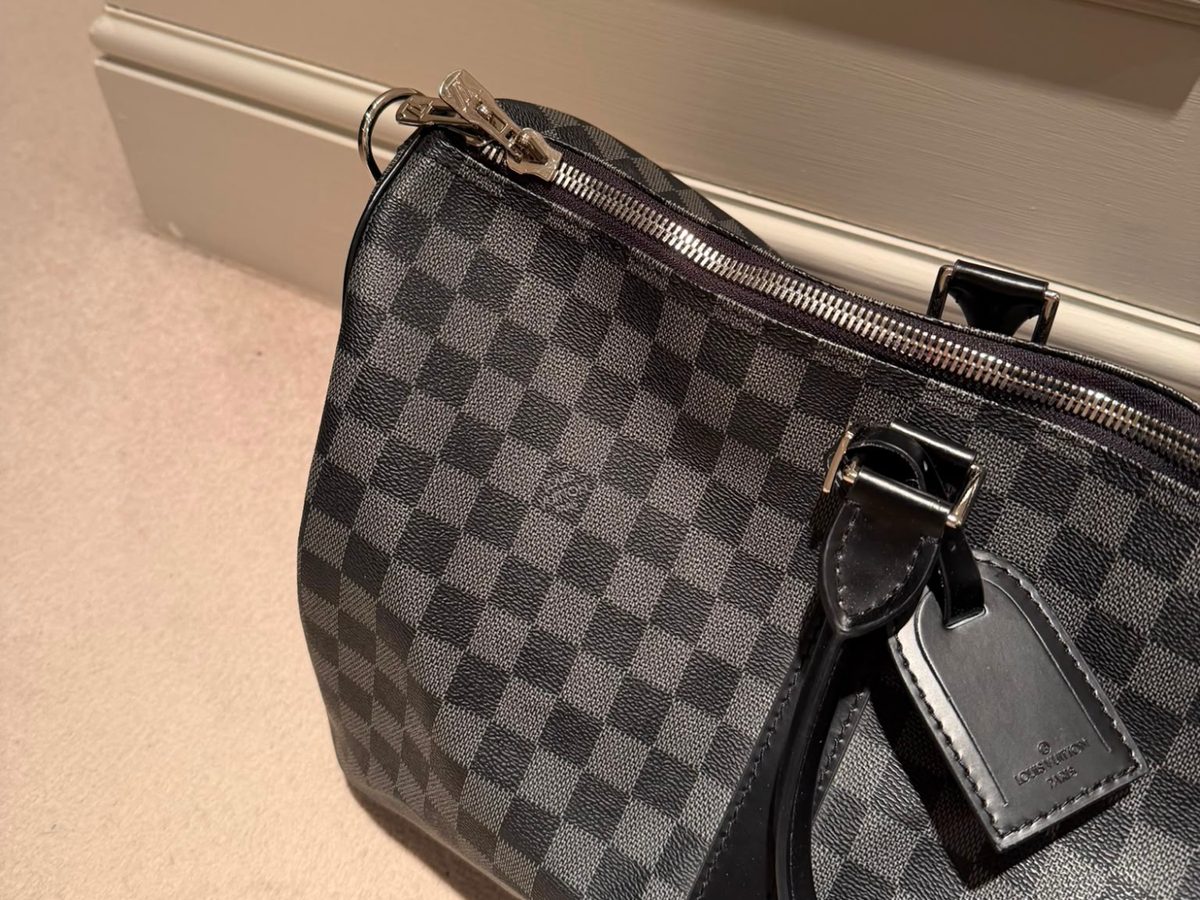
Consider a buyer looking at a pre-owned Louis Vuitton holdall.
The listing describes its dimensions, condition and wear. It explains whether a shoulder strap and padlock are included and correct for that item. The price is competitive.
But it says nothing about the item’s purchase history.
The buyer wants to know whether a receipt exists, whether it relates to this particular bag and how the current seller acquired it. They may also want to understand whether any independent authentication has taken place.
These are different questions. Evidence that an item is authentic does not, by itself, establish its ownership history. An original purchase receipt may support part of that history without explaining a later transfer.
The buyer does not necessarily expect a complete archive. They want a clear account of what is known, what supports it and what remains uncertain.
Make the information useful before the buyer has to ask
The absence of an original receipt does not make an item stolen. It may have been a gift, inherited or bought pre-owned. But leaving its history unexplained asks the buyer to carry the uncertainty.
If proof of purchase is available, what details connect it to the item? Does it identify the individual item or only the product type? If it records an earlier purchase, what explains how the item reached the current seller?
Where records are unavailable, the listing should say so clearly. The seller’s explanation can still be useful, provided it is presented as their account rather than independently verified fact.
The objective is to ask relevant questions early and make the answers available where they can help someone decide. Collecting more documents without explaining what they establish simply creates more work.
How PCIFIC closes the gap
The PCIFIC platform connects listing information and supporting evidence, identifies gaps and brings the next relevant question into the existing workflow.
Before publication, it helps the seller identify what needs clarifying. In this example, that means explaining how the item was acquired, confirming whether purchase records are available and making clear what those records support.
During the buying journey, Ask PCIFIC answers from the listing and information the business has approved. It identifies its sources and makes clear when further information is needed.
The buyer gets a direct answer without having to interpret the documentation alone. The business avoids presenting a resale invoice as something it is not.
When information is missing, PCIFIC makes the gap explicit so the seller or team can address it. It does not fill the space with plausible reassurance.
These capabilities fit alongside existing shop and retail tools. Businesses can improve listing preparation and buyer answers within their current service, with PCIFIC building, tuning and operating the tools around their categories and rules.
Why this matters now
Recent events in France have brought the origin of resale goods into sharper focus. Vinted says it has removed listings linked to suspected looting, increased monitoring and is working with authorities (BBC reporting).
That is one visible example of a broader requirement: buyers want information they can rely on, and businesses need practical ways to assess and explain it.
At the same time, AI is accelerating listing creation. Descriptions can be produced faster without resolving the questions behind them. If those gaps persist, the work moves to buyers, sellers and support teams.
Addressing them within the listing and buying workflow helps businesses retain the benefit of faster creation without multiplying avoidable enquiries.
The issue extends beyond purchase history. Warranty coverage, repairs, included accessories and compatibility can each become the unanswered question that stops a sale or creates a misunderstanding after delivery.
Different products require different checks
For a pre-owned bag, a buyer may need clarity on purchase history, repairs, alterations and authentication. For an iPhone, they may need to establish the exact model, account-lock status and whether it has been reported lost or stolen through a supported checking service.
A receipt does not answer all of those questions. Neither does a serial number, photograph or individual check.
PCIFIC brings listing assessment, sourced answers and supported device checks into the systems businesses already use. The appropriate combination depends on the product and the question being asked.
The practical value is connecting the question to the relevant information and next action, so customers and colleagues spend less time working out what to do next.
Make the answer useful to the next buyer too
When an important question is answered only in a private message, the next customer can encounter the same gap.
Bringing clarified, approved information back into the listing makes that work useful beyond a single conversation. Buyers have less to ask. Sellers have less to repeat. Support teams have a clearer record to work from.
That gives businesses concrete outcomes to measure: repeated enquiries, time spent answering product questions and whether customers proceed once the missing information is supplied.
The commercial case starts with the customer already in front of you: interested in the item, comfortable with the price, but missing something they need to decide.
Your next sale may depend on whether that question gets a useful answer.