13 October 20265 minute read
The photographs tell a stronger story than the listing
A listing can undersell an item just as easily as overstate it.
Photographs may show documentation, accessories or evidence of servicing that the description never mentions. The seller has supplied information that could strengthen the buying decision, but the buyer is left to recognise it, understand its significance and ask how it relates to the item.
Some buyers ask. Others leave. Either way, the business risks losing a sale or spending time answering a question the listing could already have addressed.
“Box and papers” is only the beginning
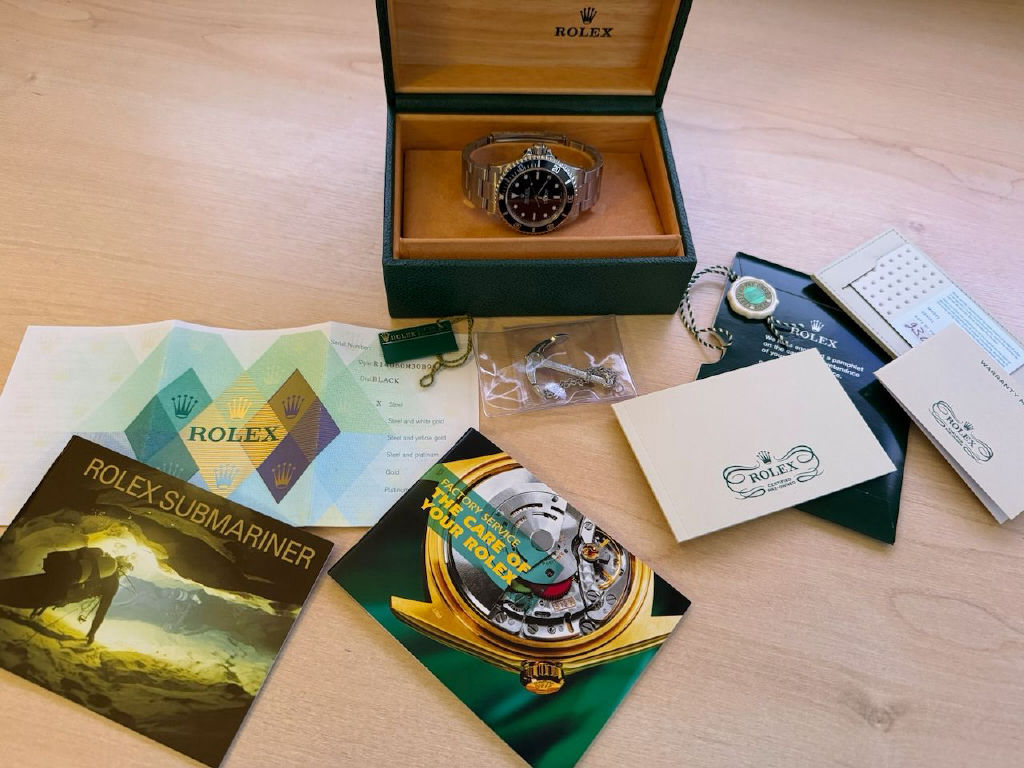
Consider this Rolex Submariner 14060M, with its original accompanying material and a separate set of Rolex Certified Pre-Owned documentation.
A description might simply say “box and papers included”. The photographs show considerably more.
There are two parts to the story: the material accompanying the watch from its earlier history, and the documentation associated with its later purchase through the Certified Pre-Owned programme. Grouping everything under “papers” leaves that distinction unexplained.
An experienced buyer may recognise the CPO material immediately. Another may not know what it means. Both still need to understand which documents accompany this particular watch, when they were issued and what they establish.
Rolex’s Certified Pre-Owned programme includes authentication, servicing and a two-year international guarantee starting from the programme purchase date. For a subsequent listing, the relevant information includes when that guarantee began and how much remains.
Those details deserve more than a place somewhere in the photographs.
Two histories on one table
- Visible in the photographRight of the box
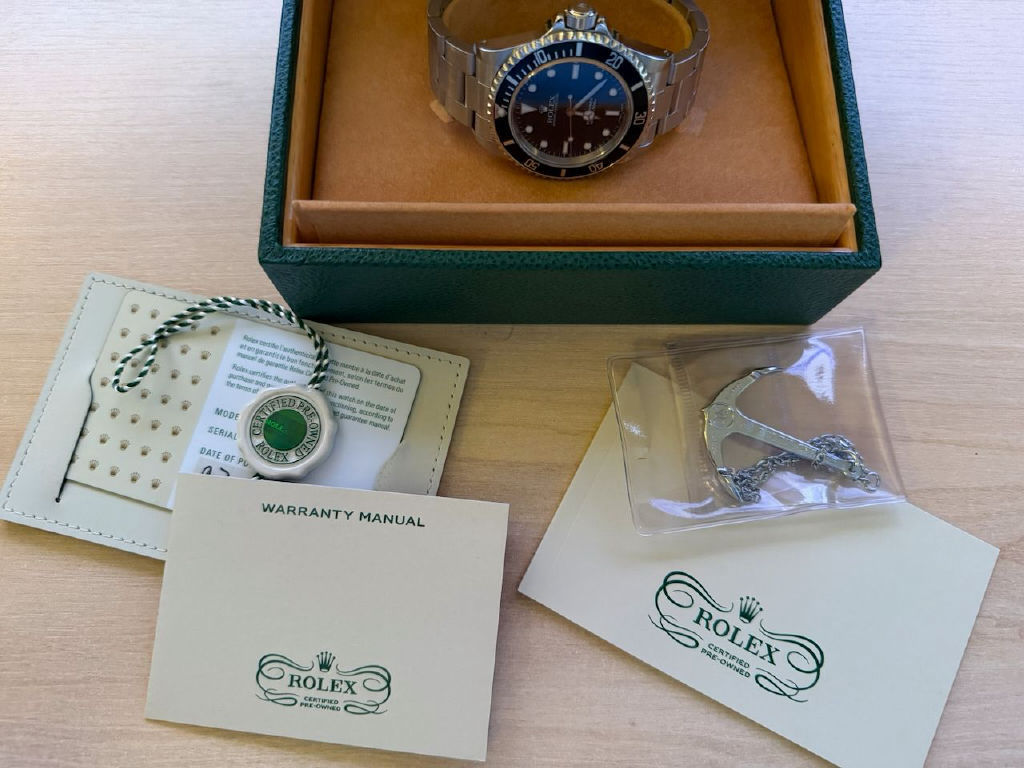
- Rolex Certified Pre-Owned guarantee card in its white leatherette holder, white and green CPO wax seal, green pouch and Warranty Manual.
- In a “box and papers” listing
- Grouped under “papers” without distinction.
Still unexplained: When the two-year international guarantee began, how much cover remains and whether the CPO documents accompany this sale.
The evidence is present. The explanation is missing.
Our previous article, A polished listing is not evidence, explored why a convincing description can leave important claims unsupported.
The reverse also matters. Supporting material can be present without the description explaining it.
A photograph of a guarantee card should prompt specific questions. Does it relate to the item being sold? What date does it carry? What does it cover? Is it included in the sale?
The same discipline applies to an invoice, service record, inspection report or photograph of an accessory. Each may add useful information, but its presence alone does not explain its relevance.
Simply adding more photographs leaves that work with the buyer. A stronger listing connects the material to the claim it supports.
Turning an overlooked detail into useful information
The PCIFIC platform brings photographs, seller information and supporting documents into the same listing workflow. It identifies missing or inconsistent details and returns the relevant question or action.
In this example, that means:
- Identifying documentation in the photographs that the description does not explain.
- Asking the seller to confirm what it is, which item it relates to and whether it accompanies the sale.
- Requesting a clearer image or further details where necessary.
- Bringing the supported information into the listing, distinguishing original material from later certification or servicing.
- Making clear what remains unconfirmed.
A visible document is a reason to examine the information, not permission to invent a claim.
The result should be a listing that explains what accompanies the watch and why it matters, without requiring every buyer to reconstruct its history from the photographs.
Open by design, PCIFIC integrates with marketplaces’ and retailers’ existing tools. It brings these checks and questions into the journey while the seller can still supply the answer, increasing the value of existing technology investments and the information already being collected.
Make the seller’s evidence work harder
A refurbished laptop may have a battery-health report that never reaches the description. A camera may be photographed with an additional lens that is not identified. A serviced piece of equipment may include records that explain work completed and components replaced.
In each case, the listing can overlook information relevant to suitability, condition or what is included in the price.
For the seller, a strength of the item may go unrecognised.
For the buyer, it creates another question.
For the marketplace or retailer, it can mean additional messages, manual review or a customer leaving without asking.
Answering the same question privately also leaves the next buyer facing the same gap. Bringing the supported answer into the listing makes that work useful beyond a single conversation.
Faster listing creation makes this more important
As AI makes listings faster to produce, omissions can scale with them. A fluent description may appear complete even when useful information in a photograph or document has never been carried through.
The cost then moves downstream. Buyers have to ask, sellers have to explain, and support teams may have to resolve misunderstandings after a sale.
Addressing the gap within the listing workflow helps businesses retain the benefit of faster creation without passing avoidable work to customers and colleagues.
The aim is to make the information already available useful at the point where it can influence a decision.
A better listing uses the evidence available
Not every watch has manufacturer certification. Not every product comes with complete records. A useful workflow works with the evidence available and makes its meaning and limits clear.
For businesses, that means clearer reasons to buy, fewer avoidable questions and less work explaining details that could have been addressed before publication.
A listing should not make the buyer discover its strongest supporting information by accident.